

How to Build Love in an Arranged Marriage
Love that begins after marriage is not a consolation prize — it is how a great many of the world's strongest marriages are built. Research on arranged marriages finds that love tends to grow over the years rather than fade, and that the factors driving that growth are within a couple's control: commitment, small daily acts of care, honest communication, and a willingness to be vulnerable with each other. You cannot manufacture chemistry overnight, and you shouldn't try. But you can deliberately build the conditions in which affection, trust, and intimacy deepen — friendship first, turning toward each other in ordinary moments, a shared language for your needs, and protecting the couple from being crowded out by family. Love here is less something you fall into than something you build. And that is a hopeful thing.
One of the quiet anxieties I meet most often in my practice comes from newly married couples in arranged marriages: "What if the love never comes?" Two people, often near-strangers, are asked to build a shared life — and then left wondering whether the deep affection they see in others will ever be theirs. The reassuring truth, borne out by both research and decades of clinical observation, is that love in an arranged marriage is not a matter of luck. It is something a couple can actively, deliberately build.
Sources: research summarised by psychologist Robert Epstein (Gupta & Singh, 1982; Epstein, Pandit & Thakar, 2013); National Family Health Survey (NFHS). A low divorce rate reflects many factors, not happiness alone — but the research on love growing is robust.
The science is genuinely encouraging. Cross-cultural research finds that in arranged marriages, self-reported love tends to grow over time — starting low, because the couple may barely know each other, then rising markedly across the years, while love-marriage passion often cools. The researchers went further and identified what makes love grow: the most powerful factors were commitment and sacrifice. They appear to work because they make partners feel vulnerable in each other's presence — and vulnerability is the soil in which intimacy takes root. Love grows not by accident, but through what two people choose to do.
I have watched love appear in marriages that began between near-strangers, and fade in marriages that began with fireworks. Love is not what you start with. It is what you build — deliberately, in ordinary moments, day after day. — Dr. Prerna Kohli, PhD & M.Phil
How to Build Love in Your Marriage
None of this is a magic formula, and none of it happens overnight. But these are the things that, in my experience and in the research, most reliably help affection and closeness deepen between two people who began as strangers.
Build friendship first
Romantic love in an arranged marriage usually grows from the ground up — from companionship, shared routines, and genuine liking. Treat the early months as a chance to become real friends: be curious about each other, spend unhurried time together, discover what makes your partner laugh. The strongest marriages are, at their core, deep friendships.
Turn toward each other in small moments
Intimacy is built less in grand gestures than in countless small ones — responding warmly when your partner shares something, asking about their day, noticing when they need support. In the relationship research this practice draws on, these everyday "bids" for connection, and how consistently we answer them, are among the strongest predictors of lasting closeness. Pay attention to the small moments; they are where love accumulates.
Create a language for your needs
One of the hardest things for couples in arranged marriages — where courtship was brief and cultural taboos run deep — is talking openly about what they feel, want, and need. Yet this conversation is essential. Make it safe to be honest about emotions, expectations, and discomforts, without judgement. The couples who thrive are the ones who learn, gradually, to put their inner worlds into words.
Let physical intimacy grow on a foundation, not a deadline
Physical closeness deepens from comfort, trust, and familiarity — none of which can be rushed. Don't measure yourselves against an imagined timetable or panic if chemistry isn't instant; that is the predictable result of starting without the foundation intimacy needs, not a verdict on your match. Build the emotional safety first, and let physical closeness follow.
Invest through commitment and small acts
The research is clear that commitment and acts of care are what make love grow. Show up for each other consistently. Do the small, thoughtful things — a cup of tea made without being asked, support in a hard week, remembering what matters to them. Over time these accumulate into something far deeper than the spark people imagine love begins with.
Protect the two of you from the crowd
In Indian marriages, the couple's bond can easily get whatever emotional energy is left after family obligations are met — which is often very little. Deliberately protect time and space for your relationship: a daily check-in, a weekly outing, conversations that are just yours. Becoming a strong "we" within the wider family is one of the most important things you can do for your marriage.
A short composite, drawn from patterns I see often — not a real client, and not a record of any one couple.
A young couple came to me a few months into an arranged marriage, quietly frightened. They were polite with each other, careful, and completely unsure whether what they felt would ever become love. We did not talk about passion. We talked about tea — who made it, whether they drank it together, whether either noticed the other was tired. We built a five-minute daily check-in and a rule that neither would let a hurt sit unspoken past the day. Nothing dramatic happened. But a year later she told me, almost surprised, that she had started missing him when he travelled. That is how it usually arrives — not as a thunderclap, but as the slow accumulation of being reliably chosen.
Building love takes two willing people, and not every difficulty is yours alone to fix through effort. If your marriage involves abuse, coercion, or a partner wholly unwilling to engage, that is not a situation to "build love" through by trying harder — your safety and wellbeing come first. If that is your reality, please reach out for support; a professional can help you think it through, and in any situation where you feel unsafe, contact a trusted person or your local support services.
Sometimes, despite real effort, a couple gets stuck — unable to bridge the distance, or caught in patterns of silence, conflict, or unmet needs. That is not a failure; it is a common point at which professional help makes a real difference, and it works best sought early, before resentment hardens. Marriage counselling with Dr. Kohli can help you build the connection you're reaching for, with an understanding of the particular dynamics of Indian and arranged marriages.
- Love that grows after marriage is how many of the strongest marriages are built — not a lesser kind of love.
- Research finds love in arranged marriages tends to increase over time, driven by commitment, sacrifice, and vulnerability.
- Build it deliberately: friendship first, turning toward each other, honest communication, and small consistent acts of care.
- Let physical intimacy grow on a foundation of trust rather than to a deadline, and protect the couple from being crowded out by family.
- If connection stalls — or if there is abuse or coercion — seek support; counselling helps, and works best sought early.
Frequently Asked Questions
Can real love develop in an arranged marriage?
How long does it take to fall in love after an arranged marriage?
What if I feel no chemistry with my spouse at first?
Does research really show love grows in arranged marriages?
What are the most important things a new couple can do?
How do we talk about difficult things when we barely know each other?
Our families are very involved. How do we protect our relationship?
When should we consider marriage counselling?
Is it normal to feel this uncertain early in an arranged marriage?
Whether you are at the start of an arranged marriage or working to deepen one, love can be built — and you don't have to navigate it alone. Dr. Prerna Kohli offers warm, expert marriage counselling, in person in Gurugram and online across India and for NRIs worldwide.
Book a Session WhatsApp Dr. Kohli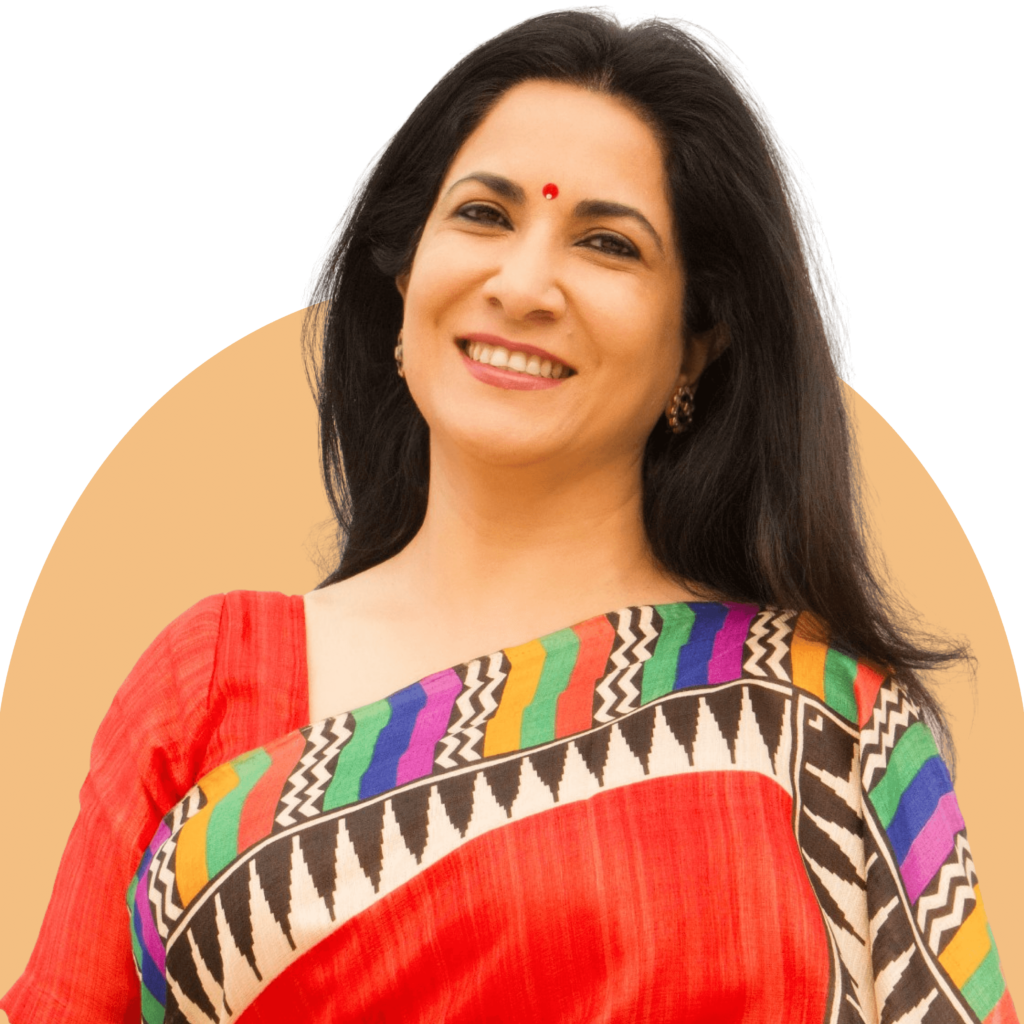
Dr. Kohli is a clinical psychologist with 30+ years of practice, based in Gurugram, specialising in marriage and relationship counselling. She holds a PhD & M.Phil in Clinical Psychology from Aligarh Muslim University, where she was a four-time gold medallist, and received the "100 Women Achievers of India" award from the President of India (2016). A TEDx speaker and published author, she works with individuals, couples, and families in-clinic in Gurugram and online worldwide, with a particular speciality in NRI mental health.