

Cross-Cultural Relationships in India: What Actually Makes Them Work
By Dr. Prerna Kohli | Marriage Counsellor & Clinical Psychologist, Gurugram | Updated June 2026
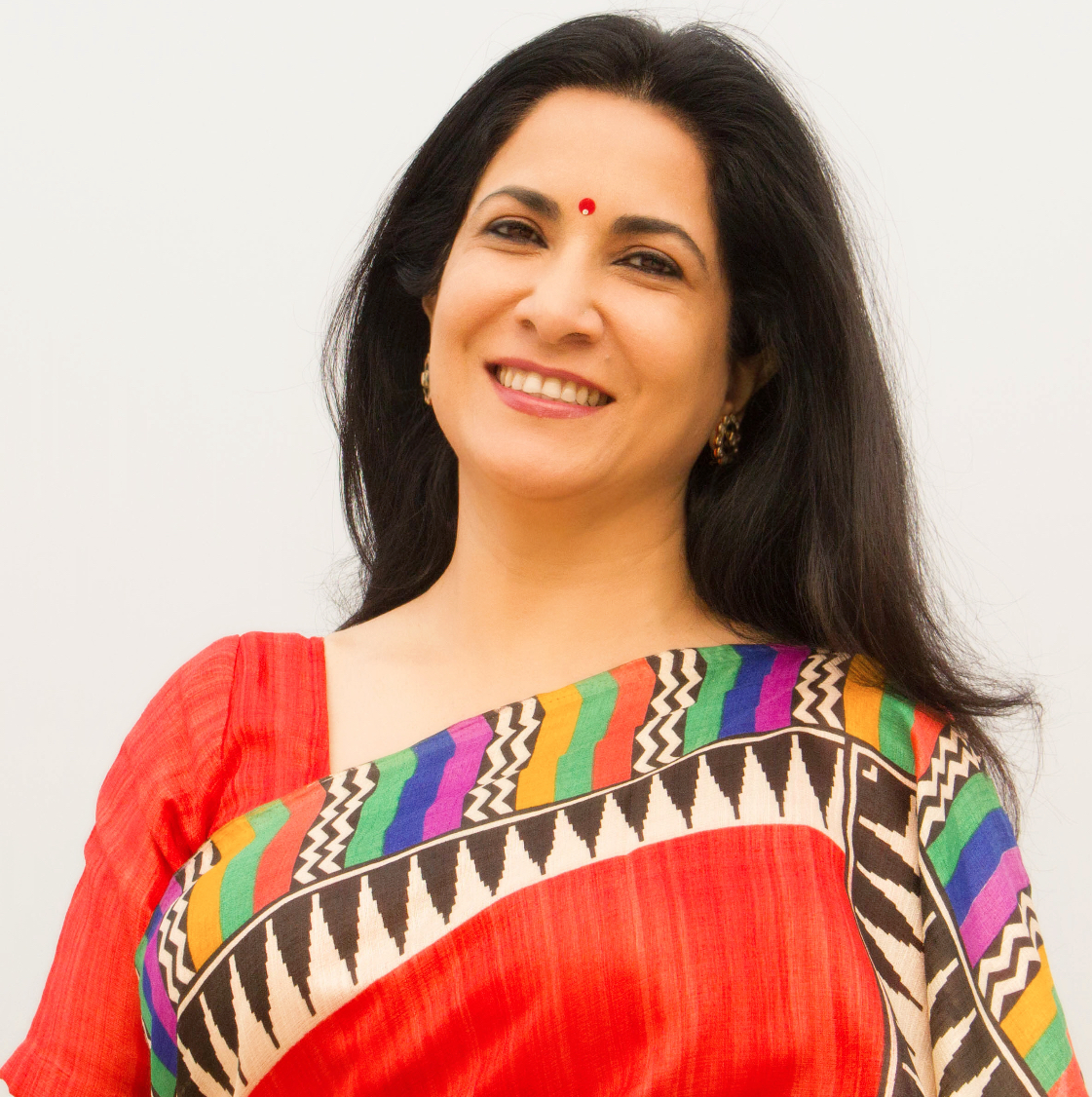
In my marriage counselling practice in Gurugram, cross-cultural couples represent a growing proportion of the people I see— and they arrive with a distinctive set of challenges. What strikes me consistently is that the conflicts they present with are rarely about the obvious cultural markers. They are not fighting about food, or festivals, or language. They are fighting about money— specifically, about who decides how it is spent, and how much goes to the husband's family. They are fighting about time— specifically, about whether Sunday belongs to the couple or to the extended family. They are fighting about conflict itself— one partner who was raised to address disagreements directly, and one who was raised to preserve surface harmony at almost any cost.
These are not arguments about culture. They are arguments between two people who absorbed entirely different unconscious rulebooks about how life is lived— and who each experience their own rulebook as simply the way things are.
The biggest challenges in cross-cultural relationships are rarely the obvious ones— food, language, customs. Those are navigable. The deeper challenges are around invisible assumptions: who makes financial decisions, how conflict is expressed or suppressed, what role the extended family plays, and what each partner believes a marriage is fundamentally for. These assumptions feel like facts to the person who holds them, because they were absorbed in childhood before conscious thought was possible. Making them visible— naming them as cultural rather than universal— is the first and most important step.Dr. Prerna Kohli, PhD— Marriage Counsellor & Clinical Psychologist, Gurugram
The Landscape of Cross-Cultural Relationships in India Today
When we speak of cross-cultural relationships in India, we are not speaking of a single, uniform phenomenon. The category encompasses several distinct types of relationship, each with its own particular pressures:
- Inter-caste marriages— increasingly common in urban India, but still navigating significant family resistance in many communities, particularly when the caste distance is perceived as large or when the marriage crosses into Scheduled Caste or Scheduled Tribe boundaries.
- Inter-religious marriages— Hindu-Muslim, Hindu-Christian, Hindu-Sikh and other interfaith combinations, each bringing distinct questions around religious practice, the religious identity of children, and festival observance.
- Indian-foreign couples— where one partner is Indian and one is from a Western or non-Indian cultural background, typically meeting through work, study abroad, or expatriate contexts.
- NRI partner relationships— where both partners may be Indian by origin but have been shaped by different cultural environments— one raised in India, one raised in the diaspora— producing a form of cross-cultural difference that is frequently underestimated because it is invisible beneath surface similarity.
- Inter-regional Indian marriages— North-South Indian couples, or marriages across dramatically different regional cultures (Bengali-Punjabi, Tamil-Marwari, Malayali-Gujarati) where language, food, family structures, and social expectations can differ as significantly as in formally cross-cultural unions.
What unites all of these is the experience of discovering, usually after the initial romantic intensity has settled, that your partner operates from a fundamentally different set of assumptions about domestic life— and that many of those assumptions were never made explicit because neither of you knew they needed to be.
The Six Major Friction Zones in Cross-Cultural Indian Relationships
Through my clinical work with cross-cultural couples, I have identified six recurring areas where cultural difference most reliably produces relational friction. Understanding these in advance— before they become entrenched conflict— gives couples a significant advantage.
Perhaps the single greatest source of conflict. Indian families typically maintain a level of involvement in the married couple's life that feels normal to one partner and overwhelming to another. Financial obligations to parents, the frequency of family visits, decision-making authority of in-laws— all require explicit negotiation.
Who earns, who manages, who decides, how much is remitted to family— financial cultures vary enormously within India, and even more across Indian-foreign partnerships. Unspoken assumptions about financial control and obligation are among the most reliably explosive when they finally surface.
For interfaith couples, daily practice, festival observance, household rituals, and the religious identity of children are rarely resolved by goodwill alone. These require specific, thoughtful negotiation— ideally before marriage, and certainly before children arrive.
Some cultures express disagreement directly and loudly; others manage it indirectly or through silence. One partner's normal conflict behaviour can feel aggressive, disrespectful, or emotionally cold to a partner from a different conflict culture— producing meta-conflicts about how to fight, layered on top of the original disagreement.
Discipline philosophies, educational expectations, the role of grandparents in child-rearing, language transmission, and cultural identity for children— all become major negotiations for cross-cultural couples, often emerging as conflicts only after children arrive.
Who cooks, who cleans, who manages the household, whether the wife is expected to work— these expectations vary dramatically across Indian regional cultures and even more across Indian-foreign partnerships. Unspoken role expectations are a primary driver of chronic resentment.
"She was from Chennai, he was from Manchester— they had met at a London university and married three years later, moving to Gurugram for his work assignment. They came to me eighteen months into their life in India, describing what she called 'a complete breakdown in understanding.' The immediate presenting issue was his relationship with her family. Every weekend, her parents visited. Every major decision— where to holiday, whether to redecorate— was discussed with her mother. He felt invisible in his own marriage. She could not understand his discomfort: 'This is just how family works.'"
"What became clear over several sessions was that neither partner had ever made explicit what they expected married life to look like. She had assumed he would adapt to Indian family norms over time. He had assumed that their life in India would function like their life in London— as a self-contained couple. Both assumptions had felt like facts, not choices. The therapeutic work was not about whose model was right. It was about building a third model— consciously, together— that neither of them had inherited but both of them could genuinely inhabit."
The Specific Pressures of Inter-Caste and Inter-Religious Marriage in India
When the Relationship Itself Is the Problem— for Everyone Else
Inter-caste and inter-religious couples in India face a category of pressure that couples from the same background rarely encounter: the relationship itself is the source of social and family conflict, often before the couple has had a chance to discover whether they are actually compatible. The family opposition, the community disapproval, the practical difficulties— sometimes including legal challenges in interfaith marriages— create a siege mentality that can simultaneously bind a couple together and prevent them from honestly examining whether the relationship is working.
Couples who married against family opposition frequently describe a period of intense bonding followed by a delayed reckoning: once the crisis of external opposition passes and ordinary domestic life asserts itself, the ordinary friction of two different people living together— now compounded by cultural difference— has no longer been obscured by the shared battle. This is the moment when many inter-caste and interfaith couples seek counselling for the first time, often years into the marriage.
A particular challenge for these couples is the loss of the extended family support network. Most Indian couples rely on parents, siblings, and in-laws for practical support— childcare, financial advice, emotional anchoring during hard times. Couples who have been estranged from family over their marriage choice must build these support structures from scratch, which takes time, intention, and often professional support to navigate effectively.
Inter-caste and inter-religious couples often arrive in my counselling room having survived the hardest external battle— family opposition, community disapproval, the courage it took to choose each other. What they sometimes discover, once that battle is over, is that they have not yet had the ordinary conversations that all couples need to have: about money, about family, about children, about what they each expect from the other every single day. The romance of having chosen against the odds can carry a couple through the opposition. It cannot substitute for the practical architecture of a shared life.Dr. Prerna Kohli, PhD— Marriage Counsellor & Clinical Psychologist, Gurugram
Seven Strategies That Actually Work for Cross-Cultural Couples
-
Make the Invisible Visible— Name Your Assumptions
The most productive thing a cross-cultural couple can do, ideally before conflict forces it, is to explicitly name their cultural assumptions about the major domains of married life: money, family involvement, conflict, parenting, gender roles, religion. Not to agree— agreement may not be possible on everything— but to understand that these are assumptions, not universal facts, and that your partner's different assumptions are equally legitimate. This shift— from "you are wrong" to "we were raised differently"— changes the entire character of the conversation.
-
Negotiate a Third Culture— Don't Just Assimilate
The most common and most damaging dynamic in cross-cultural relationships is the implicit expectation that one partner will adapt to the other's cultural framework. This rarely produces genuine adaptation— it produces resentment in the partner who is asked to abandon their own cultural identity, and a false sense of resolution in the partner whose framework has been adopted. The more sustainable approach is to consciously build a third culture— a set of shared norms and practices that neither partner inherited, but that both partners have genuinely chosen.
-
Develop a Joint Position on Family— Before You Need It
Family involvement is the single most common flashpoint in cross-cultural Indian relationships. The time to establish clarity about it is not during a conflict, but in advance— through an honest conversation about what each partner expects and needs from their own family and the other's, what decisions will be made by the couple alone, and how conflicts between the partner and the extended family will be navigated. The couple must present a unified front to both families— which requires them to be a unified front, genuinely and privately, first.
-
Cultivate Genuine Curiosity, Not Mere Tolerance
Tolerance of a partner's cultural practices is not the same as genuine interest in them. The cross-cultural relationships that thrive are those in which both partners develop real curiosity about the other's cultural world— wanting to understand it from the inside, not merely accommodate it from the outside. This curiosity is not merely a pleasant attitude. It is a practical tool: it is the basis on which cultural differences become enriching rather than divisive.
-
Create Your Own Shared Rituals
Rituals— repeated shared practices that carry meaning— are the connective tissue of a couple's identity. Cross-cultural couples who thrive typically develop their own rituals that draw from both cultural traditions, or that are entirely new. These shared practices create a sense of belonging to a shared culture that is their own, rather than a continuous negotiation between two separate ones.
-
Build an Alternative Support Network
Particularly for couples who have faced family opposition, building a support network— of friends, of other cross-cultural couples, of community— is not optional. The absence of extended family support is a genuine structural vulnerability. It requires active, intentional effort to fill, and the couples who do it most successfully treat it as an ongoing investment rather than a problem that will solve itself over time.
-
Seek Professional Support Early— Not as a Last Resort
Cross-cultural couples benefit disproportionately from early professional support, because a skilled therapist can help them make their cultural assumptions explicit and negotiate their third culture in a structured environment— before those assumptions have hardened into resentments and the negotiations have become battles. The couples I see who fare best are those who came to counselling proactively, not those who arrived in crisis.
A cross-cultural relationship does not succeed because two people love each other across their differences. Many people love each other across their differences and still end up in profound distress. It succeeds because two people are willing to make those differences explicit, negotiate them honestly, and build something genuinely shared— rather than assuming that love will do the architectural work that only conversation can do.Dr. Prerna Kohli, PhD— Marriage Counsellor & Clinical Psychologist, Gurugram
Frequently Asked Questions
What are the biggest challenges in cross-cultural relationships in India?
As Dr. Prerna Kohli explains: "The biggest challenges are rarely the obvious ones— food, language, customs. Those are navigable. The deeper challenges are around invisible assumptions: who makes financial decisions, how conflict is expressed or suppressed, what role the extended family plays, and what each partner believes a marriage is fundamentally for. These assumptions feel like facts to the person who holds them, because they were absorbed in childhood before conscious thought was possible. Making them visible— naming them as cultural rather than universal— is the first and most important step."
Do inter-caste and inter-religious marriages face more problems in India?
Inter-caste and inter-religious marriages in India face a distinctive set of pressures: frequent family opposition ranging from disappointment to complete estrangement, social stigma affecting the couple's community standing, disagreements about religious practice and children's upbringing, and the absence of the extended family support network most Indian couples rely on. Research consistently shows that social support— or its absence— is a stronger predictor of relationship success than the cultural distance between the partners themselves.
How can Indian-foreign couples navigate cultural differences in marriage?
Dr. Prerna Kohli identifies three non-negotiable foundations: explicit negotiation of cultural assumptions rather than implicit expectation that one partner will adapt; a clear, mutually agreed position on the role of the Indian partner's extended family; and the willingness of both partners to develop genuine curiosity about the other's cultural worldview. The most common failure in Indian-foreign marriages is the Indian partner underestimating how profoundly their cultural obligations— to parents, to family events, to social expectations— will affect a foreign partner who has no frame of reference for them.
What is the role of family in cross-cultural relationships in India?
In Indian marriages, the extended family is a central participant— not a peripheral presence. This is one of the most significant sources of friction in cross-cultural relationships. The management of family involvement— how much access, how much influence, how disputes between the partner and the family are navigated— must be explicitly negotiated between spouses, and the couple must develop a unified position before conflicts arise rather than after.
When should a cross-cultural couple seek marriage counselling?
Cross-cultural couples benefit from counselling at two moments: early in the relationship, as a preventive investment in understanding each other's cultural frameworks before assumptions harden into resentments; and when specific recurring conflicts appear intractable despite genuine effort. A counsellor with experience of cross-cultural dynamics can help partners distinguish between genuine incompatibility and the far more common situation of two people whose cultural assumptions have simply never been made explicit to each other.
Different Backgrounds, One Shared Life— It Is Possible
Cross-cultural relationships are not inherently more fragile than same-culture ones. In many ways, they have an advantage: the very fact that partners cannot assume shared understanding forces them to communicate more explicitly than couples who take cultural alignment for granted. Couples who navigate that explicit communication well— who make their assumptions visible, negotiate their differences honestly, and build something genuinely shared— frequently describe their relationship as richer and more intentionally constructed than those of their same-culture peers.
The challenge is real. But so is the possibility. And for couples willing to do the work— with or without professional support— a cross-cultural marriage, at its best, is not a compromise between two cultures. It is the creation of a new one.
Navigating Cultural Differences in Your Relationship?
Whether you are in an inter-caste, inter-religious, Indian-foreign, or NRI relationship and finding cultural differences increasingly difficult to navigate— I offer experienced, culturally sensitive marriage counselling from my practice in Gurugram. Online sessions available across India and internationally.
WhatsApp Dr. Kohli
About the author — Dr. Prerna Kohli
Dr. Prerna Kohli is a clinical psychologist with over 30 years of practice, based in Gurugram. She holds a PhD from Aligarh Muslim University, where she was a four-time gold medalist, and received the “100 Women Achievers of India” award from the President of India in 2016. A TEDx speaker and published author, she works with individuals, couples, and families through her private practice — in-clinic in Gurugram and online worldwide — with a particular speciality in NRI mental health.