
Holi isn't only a joyful splash of colour — it's genuinely good for our mental wellbeing, for reasons psychology recognises. It gives adults rare permission to play freely and let go of self-consciousness, which is real stress relief. It brings people together and traditionally invites us to set aside grudges — and strong social connection is one of the best-evidenced supports for mental health. The bright colours, music and sweets lift the senses and mood; the festival marks the arrival of spring and a symbolic letting-go of the old; and shared laughter and celebration leave us feeling lighter and more connected. Celebrated with a little care and consideration for others, Holi is a wonderful, wellbeing-boosting occasion.
Holi, the festival of colours, is one of the most exuberant celebrations in the Indian calendar — a riot of colour, water, music, sweets and laughter. We tend to think of it simply as fun, and it is. But there's real psychology behind why Holi leaves so many of us feeling lighter, warmer and more connected. Far from being "just" a festival, it touches several of the things that genuinely nourish our mental wellbeing.
Why Holi is good for your mental wellbeing
It lets adults play — and let go
Somewhere in growing up, most of us lose permission to play freely. Holi gives it back. For a few hours we chase, splash, laugh and abandon our usual self-consciousness — the carefree, purposeless play we usually only see in children. That kind of uninhibited play is a genuine release from stress and the constant self-monitoring of adult life.
It brings people together — and mends bonds
Holi has a beautiful tradition of dissolving distances: old grudges are set aside, hierarchies relax, and neighbours, friends and even strangers celebrate as equals. This matters more than it may seem — strong social connection is one of the most powerful protectors of mental and physical health we know of. Holi is, at heart, a festival of reconnection.
It delights the senses and lifts the mood
Bright colour, music, dance, the taste of festive sweets — Holi is a feast for the senses, and joyful sensory experiences naturally lift our mood. Surrounded by colour and celebration, it's hard not to feel a little brighter. (The effect is in the joy and the shared experience, more than the colours themselves — but it's real all the same.)
It marks renewal and letting go
Holi welcomes spring — a season of fresh beginnings — and the Holika Dahan bonfire the night before symbolises the burning away of negativity and the old. Psychologically, rituals that mark transitions and invite us to "let go" of what's weighed on us have real value: they give shape to fresh starts and a sense of moving forward.
It fills the day with shared joy and laughter
Holi is laughter, music and celebration shared with others — and collective joy is deeply restorative. Positive emotion experienced together strengthens our bonds and leaves a warm afterglow that lingers well beyond the day itself.
The science behind the togetherness: the strongest wellbeing benefit Holi offers is connection — and the evidence for that is striking. A landmark meta-analysis of 148 studies (over 300,000 people) found that people with stronger social relationships had around a 50% greater likelihood of survival, an effect comparable to well-established health factors (Holt-Lunstad et al., PLoS Medicine, 2010). Festivals like Holi, which pull us out of isolation and into joyful togetherness, tap into something genuinely good for us.
Holi is most joyful when everyone feels safe and included. A few gentle reminders: play with consent — not everyone wants colour thrown on them, so it's kind to ask. Be mindful of those who may find the noise, crowds or roughhousing overwhelming, including young children and anyone who's unwell or grieving. And celebrating without excess — particularly avoiding intoxication — keeps the day happy and safe for all. A little consideration lets everyone share in the joy.
Festivals are joyful for many, but they can also be lonely or difficult — if you're grieving, far from home, or struggling, a season of forced cheer can feel isolating. If that's you, please be gentle with yourself, and know that support is there. A consultation with Dr. Kohli offers a warm, confidential space whenever you need it.
Key takeaways
- Holi supports mental wellbeing for real psychological reasons — not just because it's fun.
- It gives adults rare permission to play freely and let go of self-consciousness, easing stress.
- It brings people together and mends bonds — and social connection strongly protects mental health.
- Colour, music and sweets lift the senses and mood; the festival marks renewal and letting go.
- Celebrate mindfully — with consent and consideration — so the joy is shared safely by all.
Frequently asked questions
Is Holi actually good for mental health?
Yes, in meaningful ways. Holi encourages free play and letting go of self-consciousness (a real stress reliever), brings people together and mends relationships (and social connection strongly supports wellbeing), and fills the day with shared joy and colour. It also marks spring and renewal. Like any celebration, it's a support for wellbeing rather than a cure for difficulties — but a genuinely uplifting one.
Why does playing Holi make us feel so happy?
Several things combine: the freedom to play without inhibition, joyful sensory experiences of colour, music and food, and — most powerfully — shared celebration with others. Collective positive emotion and connection are deeply restorative, leaving a warm afterglow. The happiness is as much about togetherness and play as about the colours themselves.
I find festivals overwhelming — is that normal?
Completely. Festivals can be wonderful, but the noise, crowds and pressure to be cheerful can feel overwhelming or lonely, especially if you're grieving, far from home or struggling. It's okay to celebrate in your own gentler way, set boundaries, or step back when you need to. If festive seasons consistently feel hard, talking to a professional can help.
However you celebrate, may this Holi bring you colour, connection and joy. And if the festive season feels heavy rather than bright, you don't have to face it alone — Dr. Prerna Kohli is here to help, in person in Gurugram and online across India and for NRIs worldwide.
Book a Session WhatsApp Us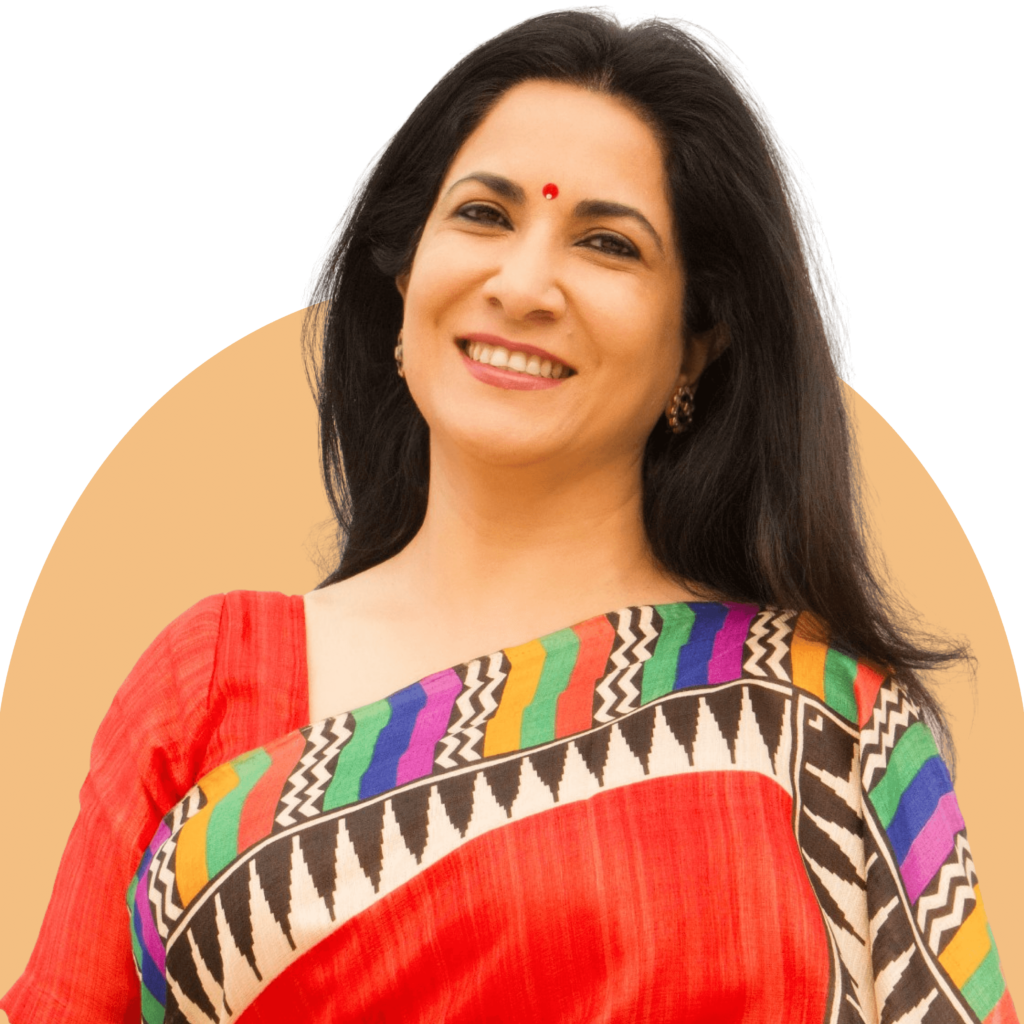
About the author
Dr. Prerna Kohli
Dr. Prerna Kohli is a clinical psychologist with over 30 years of practice, based in Gurugram. She holds a PhD from Aligarh Muslim University, where she was a four-time gold medallist, and received the "100 Women Achievers of India" award from the President of India in 2016. A TEDx speaker and published author, she works with individuals, couples, and families through her private practice — in clinic in Gurugram and online worldwide — with a particular speciality in NRI mental health.