
Relaxation techniques aren't just a pleasant way to unwind — they're practical, evidence-based tools for calming the body's stress response, and they're widely used to help manage stress, anxiety, panic and sleep problems. Techniques like slow diaphragmatic breathing, progressive muscle relaxation, mindfulness and guided imagery work by switching the nervous system out of "fight-or-flight" and into a state of recovery and calm. Research finds that relaxation training has a meaningful effect on reducing anxiety. They're a genuine skill — the more you practise, the better they work — and while they're a powerful support, when anxiety is persistent or severe they work best alongside professional help rather than on their own.
When life feels overwhelming, "just relax" can sound almost useless — if only it were that easy. But relaxation, in the clinical sense, isn't a vague instruction; it's a set of specific, learnable techniques that have a real, measurable effect on the body and mind. Used well, they're among the most accessible tools we have for managing stress and anxiety. Understanding how they work — and practising them properly — turns "calm down" from an empty phrase into something you can actually do.
Why relaxation techniques work
When you're stressed or anxious, your body activates its "fight-or-flight" response: the sympathetic nervous system speeds the heart, quickens the breath and floods the system with stress hormones, readying you for danger. Useful in a genuine emergency — exhausting and harmful when switched on all day by modern life. Relaxation techniques deliberately trigger the opposite: the body's "relaxation response," driven by the parasympathetic nervous system, which slows the heart, settles the breath and brings the body back to calm and recovery.
Breathing is the lever: of all the body's stress systems, the breath is the one you can most easily control on purpose — which makes it a direct, voluntary route into the nervous system. Slow, deep breathing in particular stimulates the vagus nerve and shifts the body toward its parasympathetic, calming state. A systematic review of breathing practices found that slow, regulated breathing meaningfully reduces stress and anxiety, working best when practised regularly and for at least a few minutes at a time (Bentley et al., Brain Sciences, 2023).
Relaxation techniques worth learning
Slow diaphragmatic breathing
The simplest and most portable technique — and the foundation of most others.
How: Breathe in slowly through the nose so your belly (not your chest) rises, then breathe out slowly and a little longer than the in-breath. A gentle rhythm — for example, in for a count of four, out for six — for a few minutes is enough to begin shifting your body toward calm. The longer out-breath is what nudges the nervous system toward its relaxation response.
Progressive muscle relaxation
A structured way to release the physical tension that stress and anxiety lock into the body.
How: Working through the body one muscle group at a time, gently tense each group for a few seconds, then release and notice the contrast as it relaxes. Moving from the feet upward (or hands upward) is a common pattern. It both releases tension and teaches you to recognise it earlier next time.
Mindfulness and meditation
Resting your attention gently in the present, rather than in anxious thoughts about past or future.
How: Sit comfortably and bring your attention to something steady — your breath, the sensations in your body, the sounds around you. When the mind wanders (it will), simply notice and return, without judgement. Even a few minutes regularly builds a calmer, less reactive mind over time.
Guided imagery / visualisation
Using the imagination to lead the body toward calm.
How: Picture a place that feels safe and peaceful to you, and explore it with all your senses — what you see, hear, feel, smell. The body responds to a vividly imagined scene of safety much as it would to a real one, easing the stress response.
Grounding for anxious or overwhelming moments
A quick way to come back to the present when anxiety spikes.
How: Anchor yourself through your senses — for instance, noticing five things you can see, four you can hear, three you can touch. It interrupts the spiral of anxious thought by pulling attention firmly into the here and now.
What relaxation techniques can help with
Practised regularly, these techniques are a genuine support for a range of difficulties: everyday stress, anxiety, the physical surge of panic, trouble sleeping, and the tension that builds in the body under pressure. A ten-year meta-analysis of relaxation training found a consistent, meaningful effect in reducing anxiety (Manzoni et al., BMC Psychiatry, 2008). The key word is practise — relaxation is a skill, and like any skill it grows stronger and faster-acting the more you use it, ideally before you're in the thick of distress rather than only during it.
A small, honest caveat: for most people relaxation techniques are calming and entirely safe. But a few people — particularly with panic or trauma — find that turning attention inward, or focusing on the breath, briefly heightens anxiety at first. That's a normal response, not a sign you're doing it wrong; it often eases with gentle, repeated practice, and a professional can help you find the approach that suits you.
Relaxation techniques are a powerful support — but if you're living with persistent anxiety or ongoing stress that isn't easing, they work best alongside proper care, not instead of it. A consultation with Dr. Kohli can help you understand what's driving the anxiety and build a fuller plan to manage it — with these techniques as part of the toolkit.
Key takeaways
- Relaxation techniques are evidence-based tools that switch the body out of "fight-or-flight" into its calming relaxation response.
- Slow diaphragmatic breathing is the most direct, portable lever — a longer out-breath nudges the nervous system toward calm.
- Progressive muscle relaxation, mindfulness, guided imagery and grounding each help in different situations.
- Research shows relaxation training meaningfully reduces anxiety — and it's a skill that strengthens with practice.
- For persistent or severe anxiety, relaxation works best alongside professional support, not as a cure on its own.
Frequently asked questions
Do relaxation techniques actually work for anxiety?
Yes — there's solid evidence behind them. A ten-year meta-analysis of relaxation training found a consistent, medium-to-large effect on reducing anxiety, and reviews of slow breathing show similar benefits for stress. They work by calming the body's stress response. They're most effective when practised regularly, and for persistent or severe anxiety they're best used alongside professional treatment.
Which relaxation technique is best?
There's no single "best" — it depends on you and the moment. Slow breathing is the most portable and a great starting point. Progressive muscle relaxation suits physical tension; mindfulness builds longer-term calm; grounding helps in acute anxious moments. The best technique is the one you'll actually practise, so it's worth trying a few and keeping what fits.
How long before relaxation techniques help?
A few minutes of slow breathing can ease tension in the moment. But the bigger benefits build with regular practice — relaxation is a skill, and the more you use it, the faster and more reliably it works, including before stressful situations rather than only during them. Think of it as training, not a one-off fix.
Can relaxation techniques replace therapy or medication?
No — they're a valuable support, not a replacement. For everyday stress they may be all you need, but for an anxiety disorder or persistent difficulties they work best as part of a wider plan that may include therapy. Any decisions about medication should be made with your treating professional.
If stress or anxiety is wearing you down, relaxation techniques are a wonderful place to start — and you don't have to manage alone. Dr. Prerna Kohli can help, in person in Gurugram and online across India and for NRIs worldwide.
Book a Session WhatsApp Us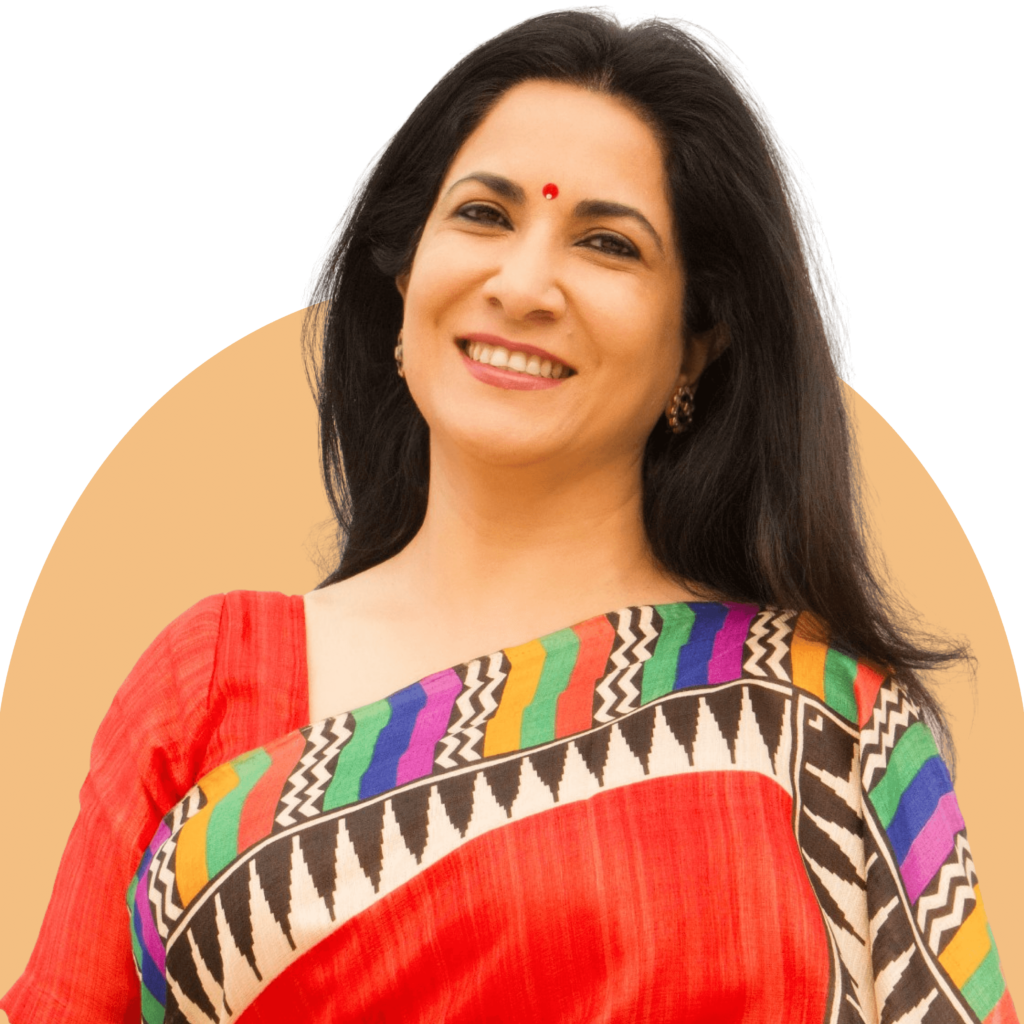
About the author
Dr. Prerna Kohli
Dr. Prerna Kohli is a clinical psychologist with over 30 years of practice, based in Gurugram. She holds a PhD from Aligarh Muslim University, where she was a four-time gold medallist, and received the "100 Women Achievers of India" award from the President of India in 2016. A TEDx speaker and published author, she works with individuals, couples, and families through her private practice — in clinic in Gurugram and online worldwide — with a particular speciality in NRI mental health.