
Social media addiction describes a pattern of compulsive, hard-to-control use that starts to interfere with the rest of your life — work, sleep, relationships and mood. It isn't a formal medical diagnosis, but it's a real and recognised problem, and the warning signs mirror other behavioural addictions: constant preoccupation with checking apps, needing to use them more and more, feeling irritable or anxious when you can't, neglecting responsibilities or relationships, and repeatedly trying (and failing) to cut down. Most people's use is perfectly healthy; the concern is when it becomes compulsive and harmful. The encouraging news is that it responds well to small, intentional changes — and, where use has become genuinely compulsive, to professional support.
Social media is woven into modern life — it's how we stay in touch, get news, work and unwind. For most people that's perfectly fine. But for some, the habit tips into something harder to control: a compulsive pull to keep checking, scrolling and posting that begins to cost them sleep, focus, real-world connection and peace of mind. This is what's loosely called social media addiction, and it's worth understanding clearly — without either dismissing it or overdramatising it.
Is it really an "addiction"? Strictly speaking, social media addiction is not an officially classified disorder — it doesn't appear as a formal diagnosis in the standard manuals. But that doesn't make it imaginary. Psychologists recognise it as a pattern of problematic or compulsive use that closely resembles other behavioural addictions, and that can genuinely harm wellbeing. Naming it accurately — a real problem, not a formal disease — helps you take it seriously without panic.
How common is it?
It's more widespread than many realise, particularly among young people, as social media use among adolescents has risen steeply in recent years. Researchers are increasingly studying it in India: a 2025 study of college students in Chengalpattu, Tamil Nadu, found that around 5.6% met the criteria for social media addiction, with heavier use linked to anxiety, poor sleep and reduced academic performance (Gopakumar et al., Cureus, 2025). Estimates vary widely depending on how addiction is defined and measured, but the direction is consistent: as usage rises, so does the number of people for whom it has become a genuine difficulty.
Signs of problematic social media use
These markers mirror those used for other behavioural addictions. A few here and there isn't cause for alarm; it's the cluster, and the impact on your life, that matters.
Preoccupation
Social media is often on your mind even when you're not using it — you think about what you'll post, or feel a pull to check, throughout the day.
Escalating use
You find yourself needing to spend more and more time on it to feel satisfied, and time online quietly expands beyond what you intended.
Restlessness when you can't access it
Being unable to check — a dead battery, no signal — leaves you irritable, anxious or unsettled, out of proportion to the situation.
Using it to escape
You turn to scrolling mainly to avoid difficult feelings — boredom, stress, loneliness, low mood — rather than for connection or enjoyment.
Conflict and neglect
It's begun to cost you elsewhere: missed sleep, slipping work or studies, less real-world time with people, or tension with those around you about your usage.
Trying to cut down — and not managing
You've decided to use it less, perhaps more than once, but keep slipping back into old patterns despite your intentions.
Why it can affect your mental health
Problematic use and emotional difficulty often feed each other. Heavy use can disturb sleep, fuel constant comparison with others' curated lives, and replace the real-world connection that protects wellbeing — which can worsen anxiety and low mood. At the same time, people who are already anxious, lonely or low may use social media more, as a way to cope. Because the relationship runs both ways, addressing one often helps the other.
Healthier ways to use social media
For most people, the goal isn't to quit entirely but to build a healthier, more intentional relationship with it. A few approaches that genuinely help:
- Notice your triggers. Pay attention to when and why you reach for it — often it's a particular feeling. Awareness is the first lever of change.
- Set gentle boundaries. Phone-free meals, no scrolling in the first or last hour of the day, or keeping the phone out of the bedroom at night.
- Turn off non-essential notifications. Each ping is a pull back in; quieting them puts you, not the app, in charge of when you check.
- Have something to scroll toward. Line up other things you enjoy — a walk, a call, a book — so the habit has something to be replaced by, not just removed.
- Be kind to yourself about it. These apps are deliberately designed to be hard to put down. Struggling with that isn't a character flaw — small, repeated adjustments work better than harsh self-criticism.
If your use feels truly compulsive — you've tried to cut back and can't, and it's harming your sleep, work, relationships or mood — that's worth taking seriously, and support helps. Approaches like cognitive behavioural therapy work well for compulsive behaviours, often by addressing what's underneath them, such as anxiety or low mood. A consultation with Dr. Kohli can help you build a healthier relationship with the screen and with yourself.
Key takeaways
- Social media addiction is a recognised pattern of compulsive use — not a formal medical diagnosis, but a real problem.
- Warning signs mirror other behavioural addictions: preoccupation, escalating use, restlessness when offline, conflict, and failed attempts to cut down.
- It's common, especially among young people, and is linked with poor sleep, anxiety and low mood.
- Problematic use and emotional difficulty feed each other — addressing one often helps the other.
- Intentional boundaries help most people; where use is truly compulsive, professional support (such as CBT) works well.
Frequently asked questions
Is social media addiction a real medical condition?
It isn't a formally classified diagnosis in the standard manuals — but that doesn't make it imaginary. Psychologists recognise it as a genuine pattern of problematic, compulsive use that resembles other behavioural addictions and can really harm wellbeing. The accurate view is: a real problem worth taking seriously, even if it's not an official "disease."
How much social media use is too much?
There's no magic number of minutes — what matters is the impact. The question isn't "how long," but "is it costing me?" If your use is disturbing your sleep, work, relationships or mood, or feels compulsive and hard to control, that's the signal that it's become too much, regardless of the hours.
Do I have to quit social media completely?
Usually not. For most people the goal is a healthier, more intentional relationship with it, not total abstinence — setting boundaries, reducing mindless scrolling, and using it more deliberately. Quitting entirely works for some, but a balanced approach is realistic and sustainable for most.
When should I seek professional help?
Consider it if you've genuinely tried to cut down and can't, or if your use is clearly harming your sleep, studies, work, relationships or mental health. Therapy — cognitive behavioural therapy in particular — is effective, often by addressing underlying anxiety or low mood. Seeking help is a practical step, not an overreaction.
If social media has started to feel like it's using you rather than the other way around, you can change that — and Dr. Prerna Kohli can help. Support is available in person in Gurugram and online across India and for NRIs worldwide.
Book a Session WhatsApp Us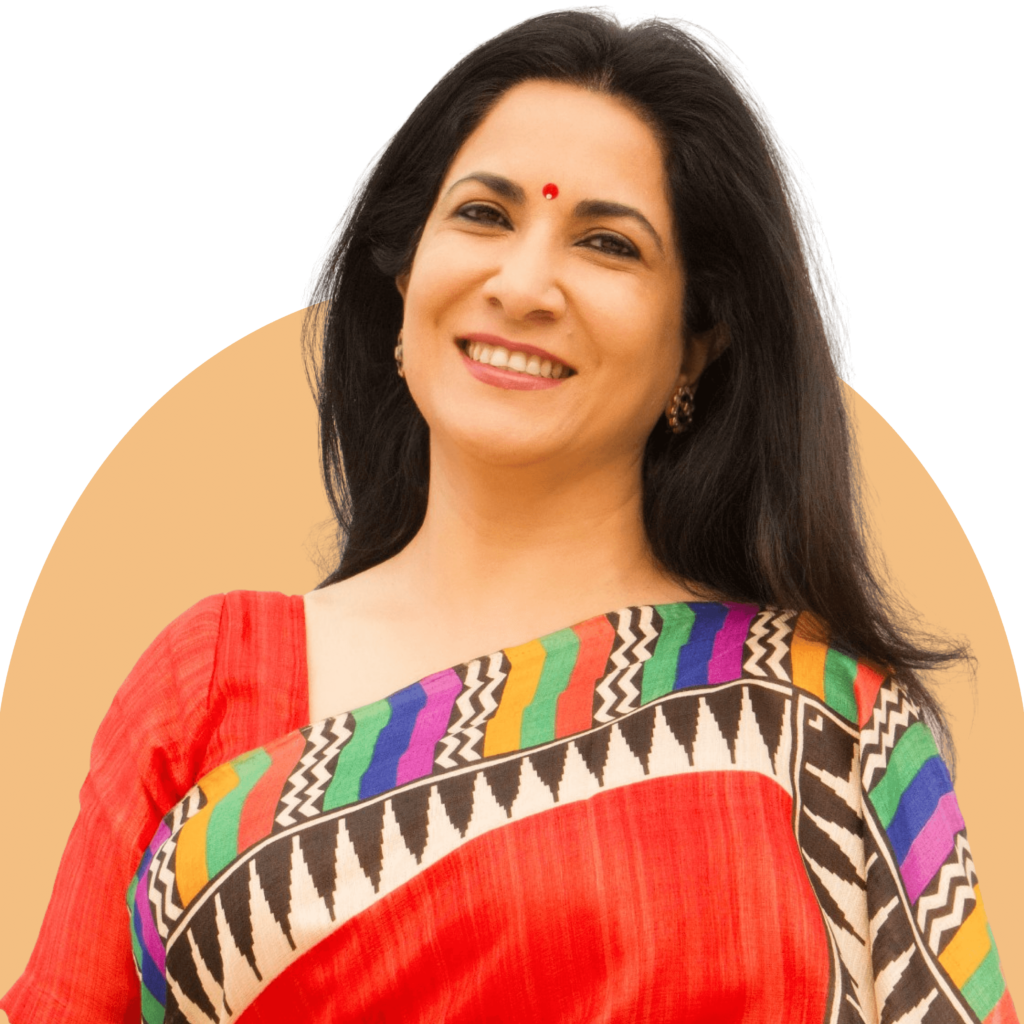
About the author
Dr. Prerna Kohli
Dr. Prerna Kohli is a clinical psychologist with over 30 years of practice, based in Gurugram. She holds a PhD from Aligarh Muslim University, where she was a four-time gold medallist, and received the "100 Women Achievers of India" award from the President of India in 2016. A TEDx speaker and published author, she works with individuals, couples, and families through her private practice — in clinic in Gurugram and online worldwide — with a particular speciality in NRI mental health.