
 Dr Prerna Kohli, India’s best Marriage Counselor write about relationships
The Role of Forgiveness in a Strong Marriage: A Marriage Counsellor's Perspective
By Dr. Prerna Kohli | Marriage Counsellor & Clinical Psychologist, Gurugram | Updated June 2026
Marriage, in its most honest form, is a decades-long project between two imperfect people who will inevitably hurt each other— sometimes accidentally, sometimes not. The question that determines whether a marriage endures is not whether these ruptures occur. They always do. The question is whether the couple has developed the capacity to repair them.
In my counselling practice in Gurugram, I work with couples who have come in at every stage of this question— from those who are learning repair skills early, to those who have spent years accumulating grievances that were never addressed. What I have observed consistently is that the marriages that last are characterised not by the absence of conflict, but by the presence of forgiveness as a practice— sustained, honest, and grounded in genuine understanding rather than performance.
Forgiveness in marriage is not about erasing what happened or pretending the hurt was not real. It is about choosing to release the grip that resentment has on your present— so that a painful past does not consume a potentially good future. The couples who last are not those who never wound each other. They are those who learn to repair.Dr. Prerna Kohli, PhD— Marriage Counsellor & Clinical Psychologist, Gurugram
What Forgiveness in Marriage Actually Means— and What It Doesn't
Forgiveness is one of the most misunderstood concepts in the context of marriage— particularly in India, where it is often conflated with tolerance, silence, or the suppression of legitimate grievance. Let me be precise about what forgiveness is and is not, clinically speaking.
Forgiveness is not: forgetting what happened, pretending the harm was not serious, releasing the offending partner from accountability, or accepting that the harmful behaviour will continue. It is not a one-time event. It is not something you owe your partner on demand. And it is absolutely not the same as reconciliation— you can forgive someone and still choose to leave the marriage.
Forgiveness is: the internal decision to stop carrying the resentment as your primary psychological position— because resentment damages the person who holds it more than the person it is directed toward. It is the decision to allow the possibility of something different, rather than being locked in permanent prosecution of the past. In a marriage context, forgiveness creates the conditions for repair. Without it, even a couple who remains together is living in the ruins of what they once were.
The Physiology of Holding Grudges
Research in psychophysiology shows that sustained resentment keeps the body in a state of chronic low-grade stress activation— elevated cortisol, heightened cardiovascular reactivity, and the kind of hypervigilance that makes genuine intimacy physiologically impossible. People who carry unresolved marital grievances report poorer sleep, more somatic complaints, and lower overall life satisfaction— independent of whether the marriage itself continues. Forgiveness is not just emotionally wise. It is physically necessary.
"They had been married for nineteen years when they came to see me. On the surface, the presenting issue was communication— they argued constantly and felt unheard. But as the sessions unfolded, it became clear that the real issue was a rupture from year four: a period when the husband had prioritised his career and family of origin in a way that had left his wife feeling profoundly abandoned. She had never named it. He had never known it had registered as a wound. Fifteen years of accumulated distance had grown from a single unaddressed hurt that neither of them had the language to articulate at the time."
"When we finally got to it— when she named the wound and he genuinely heard it— the quality of the room changed completely. He wept. She said: 'I just needed you to know it happened.' That was the beginning of real repair. Not the erasure of nineteen years of distance, but the first honest acknowledgement of where it had come from."
The Six Pillars of a Marriage That Lasts
Through clinical work with couples and two decades of observing what separates enduring marriages from those that dissolve, I have identified six qualities that consistently characterise relationships that go the distance. These are not romantic ideals— they are practical capacities that can be developed with intention and, where necessary, professional support.
Not the absence of difficult conversations, but the willingness to have them— with care and without contempt. The most damaging thing in a marriage is not conflict. It is the silence that replaces it.
Disagreement is inevitable. Contempt is a choice— and Gottman's research identifies it as the single strongest predictor of divorce. Treating your partner as someone whose perspective is worth understanding, even when you profoundly disagree, is non-negotiable.
The capacity to acknowledge harm, make genuine amends, and release resentment. Not once, but as an ongoing practice across the lifespan of the marriage.
Trust is not a feeling— it is the accumulated evidence of reliable behaviour over time. It is built in small moments: keeping commitments, being honest when it is inconvenient, showing up consistently.
Emotional closeness and physical connection are mutually reinforcing. When emotional intimacy erodes, physical intimacy typically follows— and vice versa. Both require active, intentional investment.
Healthy marriages are between two people who remain whole individuals— with their own friendships, interests, and sense of self. Enmeshment breeds resentment. Two full people enrich each other; two people who have lost themselves in the marriage deplete each other.
Communication: The Skill That Makes Everything Else Possible
If I had to identify the single most common proximate cause of marital breakdown in the couples I see, it would be communication failure— not the absence of love, not incompatibility, not even specific conflicts, but the inability to express needs honestly and to hear a partner's needs without becoming defensive.
Communication in marriage is not a natural talent. It is a learned skill. And most of us were never taught it. We learned to communicate in our families of origin— where, in many Indian homes, emotional directness was neither modelled nor valued. We bring those learned patterns into marriage and are then surprised when they produce the same outcomes they produced in the family that shaped them.
What Effective Marital Communication Actually Requires
- Speaking in specifics, not generalisations. "You never listen to me" is an accusation that closes conversation. "I felt dismissed when I shared the problem with my mother and you changed the subject" is information that opens it.
- Listening to understand, not to rebut. Most people in marital conflict are not listening— they are waiting for their turn to defend themselves. The shift from defensive listening to genuine curiosity about the partner's experience is transformative.
- Naming the need, not just the complaint. Behind every complaint in marriage is an unmet need. The complaint is the symptom. The need is the information. Partners who can learn to name what they need— rather than simply cataloguing what their partner is failing to provide— change the entire texture of the conversation.
- Repair attempts during conflict. Gottman's research shows that successful couples make "repair attempts" during arguments— small gestures that de-escalate before the conversation reaches a point of no return. A touch on the arm. Acknowledging the other's point before continuing your own. Even a moment of humour. These attempts, and whether the other partner receives them, are highly predictive of relationship outcome.
Most couples who come to me don't have a communication problem. They have a safety problem. They have learned, through accumulated small experiences, that expressing their real feelings produces rejection, dismissal, or escalation. So they stop expressing them. The silence that follows is not peace— it is the quiet accumulation of everything that is never said. Communication can only flourish when both partners feel safe enough to be honest.Dr. Prerna Kohli, PhD— Marriage Counsellor & Clinical Psychologist, Gurugram
Trust: How It Is Built, How It Breaks, and How It Heals
Trust is the most misunderstood concept in the context of marriage repair. Couples who have experienced a breach of trust— whether through infidelity, deception, or repeated broken commitments— frequently ask: "How long will it take to trust again?" The honest answer is that this is the wrong question.
Trust is not a switch that can be reset. It is the accumulated record of experience. It is rebuilt not through promises but through behaviour— through the partner who caused harm demonstrating, consistently and without resentment of the monitoring it requires, that they are now behaving differently. The betrayed partner's distrust during this period is not irrational— it is the appropriate response to available evidence. The rebuilding of trust requires the offending partner to hold that distrust with patience rather than impatience, accountability rather than defensiveness.
This process is significantly harder to navigate without professional support, because the cycles of re-injury and withdrawal that typically characterise it require structure and containment that couples cannot reliably provide for themselves when they are both in the middle of it.
Marriage in the Indian Context: The Pressures That Are Particular to Us
What Makes Indian Marriages Distinctively Challenging
Indian marriages carry a weight that most Western models of couple therapy do not adequately account for. The involvement of extended families— in-laws who have expectations, parents whose approval matters, siblings whose needs compete— means that many couples are not simply navigating their relationship with each other. They are navigating it within a complex web of obligations, loyalties, and competing claims on their attention and resources.
Cultural prescriptions about gender roles— who earns, who manages the home, who defers to whom— create implicit agreements that were never explicitly negotiated and that frequently generate resentment when reality fails to match expectation. And the deep cultural taboo around divorce means that many couples remain in acutely unhappy marriages long past the point when separation would serve both of them better— accumulating harm that could have been addressed years earlier with professional support.
None of these pressures make Indian marriages inherently less capable of happiness or longevity. But they do make the work of building a strong marriage more complex— and more in need of culturally informed professional support when difficulties arise.
When to Seek Marriage Counselling: Earlier Than You Think
The most consistent piece of advice I give couples who ask when they should seek professional support is: earlier than you think you need to. In my experience, the average Indian couple waits three to five years after problems become serious before seeking help. By that point, the goodwill that makes repair possible has often eroded significantly, and the patterns of conflict or withdrawal have become deeply entrenched.
Couples counselling is not a last resort for marriages on the verge of collapse. It is most effective as an early intervention— when couples are experiencing recurring conflict they cannot break, or growing emotional distance they cannot bridge, but when both partners still have sufficient investment in the relationship to do the work of change.
The couples who benefit most from therapy are not those who arrive in crisis. They are those who arrive early enough that there is still something to build on. A marriage that has been neglected for a decade is not unfixable— but it requires far more work than one where the problems are addressed at three years rather than ten. If you are reading this and recognising your own marriage, that recognition is the right moment to act.Dr. Prerna Kohli, PhD— Marriage Counsellor & Clinical Psychologist, Gurugram
Frequently Asked Questions
What is the role of forgiveness in a successful marriage?
As Dr. Prerna Kohli explains: "Forgiveness in marriage is not about erasing what happened or pretending the hurt was not real. It is about choosing to release the grip that resentment has on your present— so that a painful past does not consume a potentially good future. The couples who last are not those who never wound each other. They are those who learn to repair."
What are the most important pillars of a strong marriage?
Dr. Prerna Kohli identifies six core pillars: honest communication, mutual respect, the capacity for repair and forgiveness, trust built through consistent behaviour over time, emotional and physical intimacy, and the preservation of individual identity within the partnership. Of these, she regards the capacity for repair— the ability to acknowledge harm and make genuine amends— as the single most predictive factor of long-term relationship success.
How do couples rebuild trust after it has been broken?
Trust is rebuilt through consistent, transparent behaviour over time— not through promises or declarations. After a breach, the partner who caused harm must demonstrate accountability without defensiveness and maintain full transparency. The betrayed partner must be allowed to set the pace of reconciliation. This process takes months to years and is most effectively navigated with the support of a marriage counsellor who can structure the process and prevent it from becoming cyclical.
Why do Indian marriages face unique communication challenges?
Indian marriages carry the weight of family expectations, cultural prescriptions about gender roles, and a social context in which the appearance of harmony is often prioritised over the reality of it. Many Indian couples have no model for what honest, emotionally open communication looks like between spouses. They arrive in marriage with strong expectations of what their partner should be, and limited skills for expressing what they themselves actually need— a combination that most commonly brings couples to the counselling room.
When should a couple seek marriage counselling?
Earlier than most couples think. By the time many Indian couples reach a marriage counsellor, they have been in distress for years— with accumulated grievances, eroded goodwill, and entrenched patterns of conflict. The right time to seek counselling is when you notice recurring patterns you cannot break alone: the same argument cycling endlessly, emotional distance that is widening rather than narrowing, or a sense of disconnection that neither partner can name but both can feel. Earlier intervention produces dramatically better outcomes.
A Strong Marriage Is Not Found— It Is Built
The idea that a good marriage is primarily about finding the right person is one of the most damaging myths in popular culture. In my experience, the happiest long-term marriages are not between the most compatible people. They are between people who have chosen, repeatedly and deliberately, to invest in their relationship— through honest communication when silence would be easier, through repair when pride would rather persist, through forgiveness when resentment would be more immediately satisfying.
A strong marriage is a practice. It is the product of thousands of small decisions over decades. And when those decisions become too difficult to make alone, professional support is not a sign that the marriage has failed— it is a sign that you care enough about it to do what it takes.
Is Your Marriage Going Through a Difficult Phase?
Whether you are dealing with recurring conflict, emotional distance, a breach of trust, or simply a sense that something has shifted— couples counselling can help. I offer confidential marriage counselling from my practice in Gurugram, with online sessions available across India and internationally.
WhatsApp Dr. Kohli
About the author — Dr. Prerna Kohli
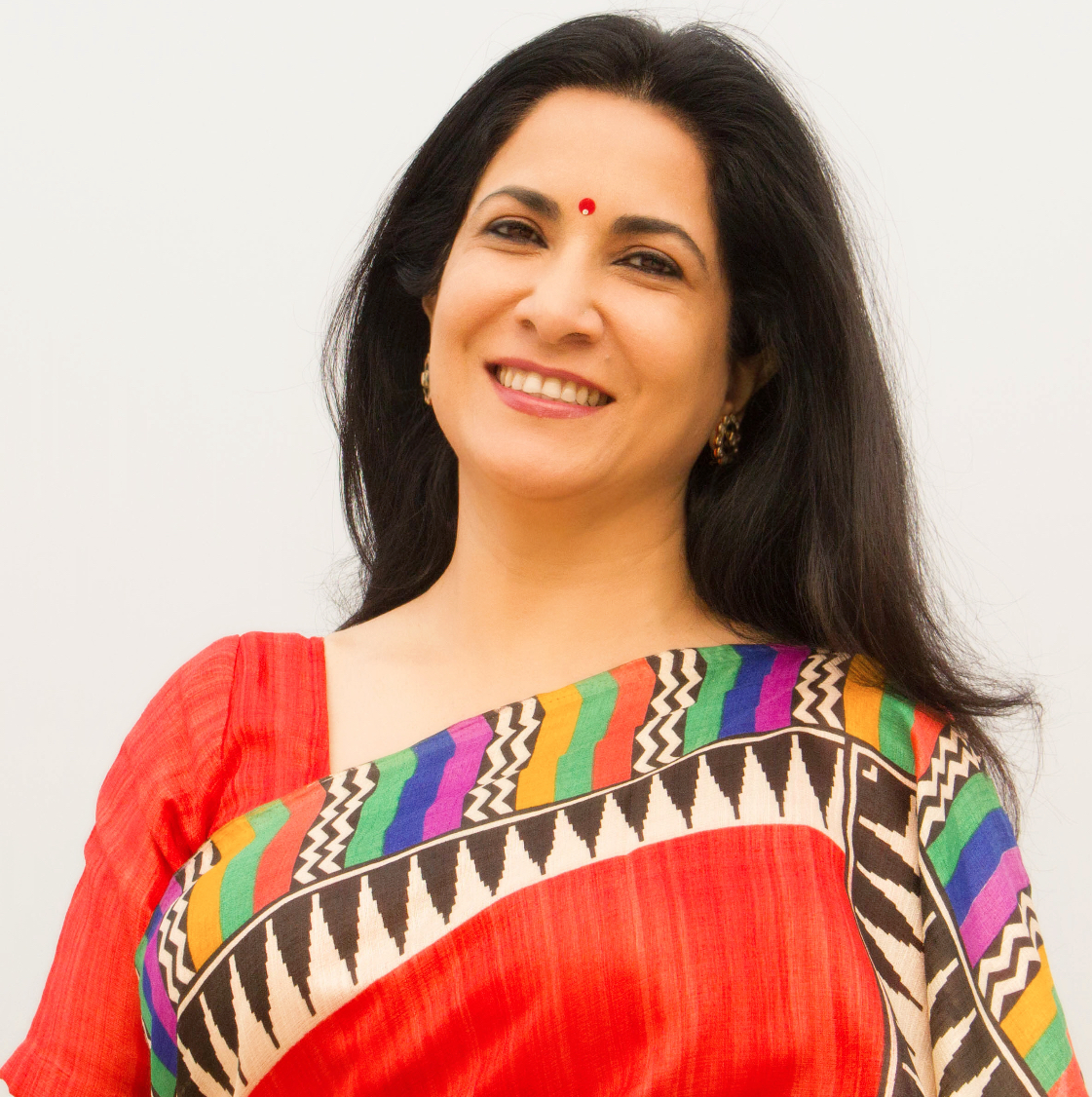
Dr. Prerna Kohli is a clinical psychologist with over 30 years of practice, based in Gurugram. She holds a PhD from Aligarh Muslim University, where she was a four-time gold medalist, and received the “100 Women Achievers of India” award from the President of India in 2016. A TEDx speaker and published author, she works with individuals, couples, and families through her private practice — in-clinic in Gurugram and online worldwide — with a particular speciality in NRI mental health.