
You don't need to be an artist — or to be in therapy — to get real mental-health benefits from drawing and painting. Making art, even for a few minutes, can ease stress, lift mood, build a quiet sense of accomplishment, and help you process emotions that are hard to put into words. The act of creating shifts your attention away from worries and into the present, much like a moving meditation. It's free or inexpensive, needs no skill, and can be done at home. Think of it as everyday self-care for your mind — a lovely complement to, though not a replacement for, professional help when that's needed.
There's a well-known connection between the body and the mind: when the mind is troubled, the body feels it, and the reverse is true too. So when life feels heavy, it makes sense to reach for every gentle resource available — and one of the most accessible is creativity. Drawing, painting, colouring, even doodling can do more for your mental wellbeing than most people realise, and the wonderful thing is that none of it requires talent, training, or money. This is about making art for yourself, as self-care — quite different from formal art therapy, which is a clinical process guided by a trained therapist.
No skill required — really. The benefits of drawing and painting for your mind have nothing to do with how "good" the result is. A scribbled doodle, a colouring book, a rough sketch, a rangoli pattern — all of it counts. The value is in the doing, not the outcome, so you can let go of any worry about whether it looks right.
How drawing and painting help your mind
A sense of accomplishment and self-esteem
Finishing something — a drawing, a painted page, a coloured-in pattern — brings a small but real sense of achievement. It doesn't need to be perfect; simply completing it can quietly lift your confidence and self-worth.
Stress relief and calm
The repetitive, absorbing nature of drawing and painting helps quiet a racing mind and lower tension. It offers a mental escape from day-to-day pressures — a few minutes of creating can leave you noticeably calmer.
Staying in the present
When you're focused on colours, shapes and lines, your attention settles into the here and now — much like mindfulness or meditation. That shift away from anxious thoughts about the past or future is part of what makes it so soothing.
Processing emotions you can't quite name
Art gives feelings a way out when words are hard to find. Expressing yourself through colour and image can help you understand and release emotions — a gentle form of emotional processing available to anyone.
Connection and empathy
Engaging with art — whether making your own or appreciating someone else's — stirs the emotional centres of the brain, and many people find it deepens their sense of empathy and connection with others.
How to start — simply
You don't need special supplies or a plan. A pencil and paper are enough. A few gentle ways in:
- Keep it small. Even five or ten minutes counts — this isn't about hours of effort.
- Let go of "good." Doodle, scribble, fill a colouring page. There's no standard to meet.
- Make it regular. A little, often, does more for your mood than occasional big efforts.
- Follow what you enjoy. Sketching, painting, rangoli, colouring — pick whatever feels inviting, not what you think you "should" do.
Drawing and painting are a lovely way to look after your mind — but they're a complement to professional help, not a substitute for it. If low mood, anxiety or distress persists or is affecting your daily life, that's a sign to reach out for support. A consultation with Dr. Kohli can help, and if you'd like to understand the clinical side, see our guide to art therapy.
Key takeaways
- Drawing and painting offer real mental-health benefits — no talent or training needed.
- Even a few minutes can ease stress, lift mood, and bring a sense of accomplishment.
- Creating art keeps you in the present, much like a moving meditation.
- It's a way to process emotions that are hard to put into words.
- It complements — but doesn't replace — professional help when distress persists.
Frequently asked questions
Do I need to be good at art for this to help?
Not in the slightest. The mental-health benefits come from the act of creating, not from the quality of what you make. Doodles, colouring pages and rough sketches all count. Letting go of any pressure to make it "good" is actually part of what makes it relaxing.
How is this different from art therapy?
Drawing and painting on your own is everyday self-care — something anyone can do at home for wellbeing. Art therapy is a clinical process led by a trained art therapist or psychologist, who uses the creative work therapeutically as part of treatment. This article is about the self-care side; you can read about the clinical side in our guide to art therapy.
How often should I draw or paint to feel the benefit?
A little, often, tends to help more than occasional long sessions. Even five to ten minutes a few times a week can make a difference to your mood and stress levels. The key is to make it an easy, pressure-free habit rather than another task to perfect.
Can drawing and painting treat depression or anxiety?
They can genuinely support your wellbeing and help you cope, but they aren't a treatment or cure on their own. If you're struggling with persistent low mood or anxiety, creative self-care is a helpful addition alongside — not instead of — professional support. Please do reach out if things feel difficult.
Creativity is a wonderful way to care for your mind — and when you need more support, you don't have to manage alone. Dr. Prerna Kohli offers warm, confidential help, in person in Gurugram and online across India and for NRIs worldwide.
Book a Session WhatsApp Us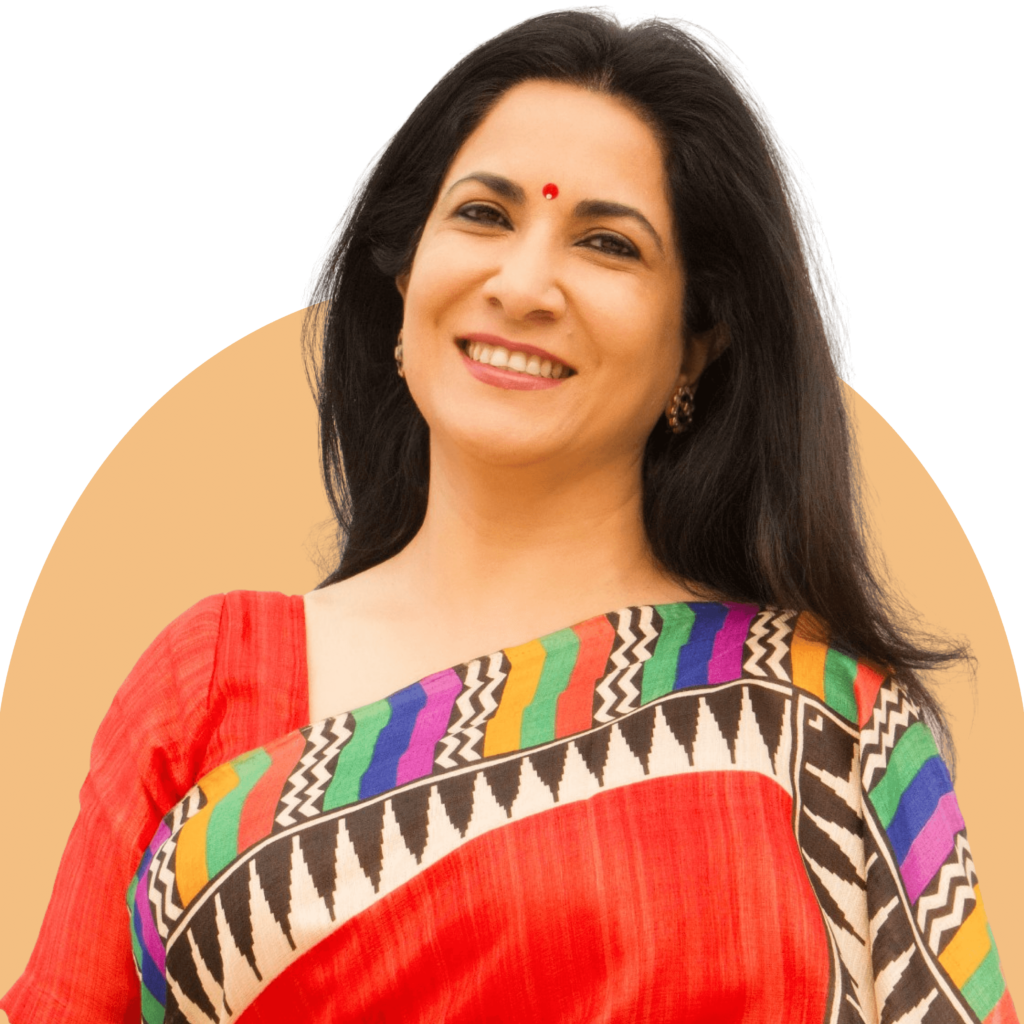
About the author
Dr. Prerna Kohli
Dr. Prerna Kohli is a clinical psychologist with over 30 years of practice, based in Gurugram. She holds a PhD from Aligarh Muslim University, where she was a four-time gold medallist, and received the "100 Women Achievers of India" award from the President of India in 2016. A TEDx speaker and published author, she works with individuals, couples, and families through her private practice — in clinic in Gurugram and online worldwide — with a particular speciality in NRI mental health.