
Art therapy is a form of psychotherapy that uses creative activities — drawing, painting, clay, collage — guided by a trained therapist to help people explore feelings that are hard to put into words. It isn't about artistic skill, and it isn't the same as making art on your own for relaxation: the value lies in the guided process and the reflection that follows. It's used as a complementary therapy — alongside, not instead of, standard treatment — and can help with anxiety, depression, trauma, and the emotional strain of serious illness, and is especially useful for children or anyone who finds talking difficult. The evidence base is encouraging though still developing, so it's best thought of as a supportive part of care, delivered by a qualified professional.
Art therapy is a recognised form of psychotherapy that uses creative expression as its main tool. Rather than relying on conversation alone, it invites people to work with materials — paint, clay, paper, colour — and then, with a trained therapist, to reflect on what emerges. You don't need any artistic ability: the point is not to produce a good painting, but to open a route to feelings that can be hard to reach through talking. It's often combined with other forms of therapy, and while it can be valuable for adults, it is especially helpful for children and for anyone who struggles to express their emotions in words.
Art therapy vs. making art for wellbeing: these are related but not the same. Doing art on your own — sketching, colouring, painting to unwind — is a wonderful everyday self-care practice with real mental-health benefits (more on that in our companion guide below). Art therapy specifically refers to working with a trained art therapist or psychologist who uses the creative process therapeutically, with reflection and clinical understanding. This page is about the latter.
How art therapy works
In a session, the therapist offers materials and a gentle prompt, and the person creates freely — there are no rules and nothing to get "right." What's made becomes a starting point for understanding: the colours chosen, the images that surface, the feelings that come up while creating. Because the expression is non-verbal, it can bypass the usual difficulty of finding words, which is why it works well for trauma, for children, and in cultures where speaking openly about emotional pain feels uncomfortable. The therapist's role is to create a safe space and help the person make sense of what the work reveals.
What art therapy can help with
Self-exploration and insight
Creating art can surface feelings a person wasn't fully aware of, offering a form of catharsis and a window into their inner world that talking alone might not open.
Self-worth and a sense of accomplishment
The process of making something — and seeing a finished, tangible result — can bring a quiet sense of fulfilment and help rebuild self-esteem.
Expressing the hard-to-say
Art gives shape to emotions and fears that resist words, offering a sense of control and release — which can feel genuinely empowering.
Stress relief and calm
Engaging in creative activity offers a mental escape, helps quiet a busy mind, and supports a calmer connection with oneself.
Support alongside treatment for mental and physical illness
As a complementary therapy, art therapy shows promise in supporting people living with anxiety, depression, PTSD and the emotional toll of serious illness such as cancer. It works best as part of a wider treatment plan, not as a replacement for it.
Connection and rapport, especially with children
Creative activity is a natural ice-breaker and a gentle way to build trust — which makes it particularly effective in working with children.
A note on the evidence: research into art therapy is encouraging — studies suggest it can reduce symptoms of anxiety and depression and improve wellbeing — but the field is still maturing, with many studies small in scale. It's most accurately understood as a promising, low-risk complement to established treatment, delivered by a qualified professional, rather than a stand-alone cure.
If you think art therapy might help you, your child, or someone you care for, the best first step is to speak with a qualified professional who can advise whether it's a good fit and how it might work alongside other support. A consultation with Dr. Kohli can help you explore the right approach. And if you'd simply like to use creativity for everyday wellbeing, see our companion guide on the mental health benefits of drawing and painting.
Key takeaways
- Art therapy is psychotherapy that uses creative activity, guided by a trained therapist — not about artistic skill.
- It's distinct from making art on your own for relaxation; the value is in the guided process and reflection.
- It can help with anxiety, depression, trauma and the emotional strain of illness, and suits children and non-verbal expression well.
- It's a complementary therapy — it works alongside, not instead of, standard treatment.
- The evidence is encouraging but still developing; it's best delivered by a qualified professional.
Frequently asked questions
Do I need to be good at art for art therapy?
Not at all. Art therapy has nothing to do with artistic talent or producing something beautiful — it's about the process of creating and what it helps you express and understand. People who say "I can't even draw a stick figure" benefit just as much; the therapist is interested in the meaning, not the skill.
How is art therapy different from just doing art at home?
Doing art on your own — painting, colouring, sketching to relax — is a valuable self-care practice with real benefits. Art therapy is different: it's a clinical process led by a trained art therapist or psychologist, who uses the creative work and the reflection around it therapeutically, often as part of treatment for a specific difficulty.
Who is art therapy most helpful for?
It can help people of any age, but it's especially valuable for children, for those who have experienced trauma, and for anyone who finds it hard to put feelings into words. It's also used to support people coping with serious illness or significant emotional distress, usually alongside other forms of treatment.
Can art therapy replace medication or talk therapy?
No — it's best understood as a complementary therapy that works alongside established treatments, not as a replacement for them. If you're managing a mental health condition, any decision about medication or your overall treatment plan should be made with your treating professional.
If you're wondering whether art therapy could help you or someone you love, Dr. Prerna Kohli can help you find the right approach — in person in Gurugram and online across India and for NRIs worldwide.
Book a Session WhatsApp Us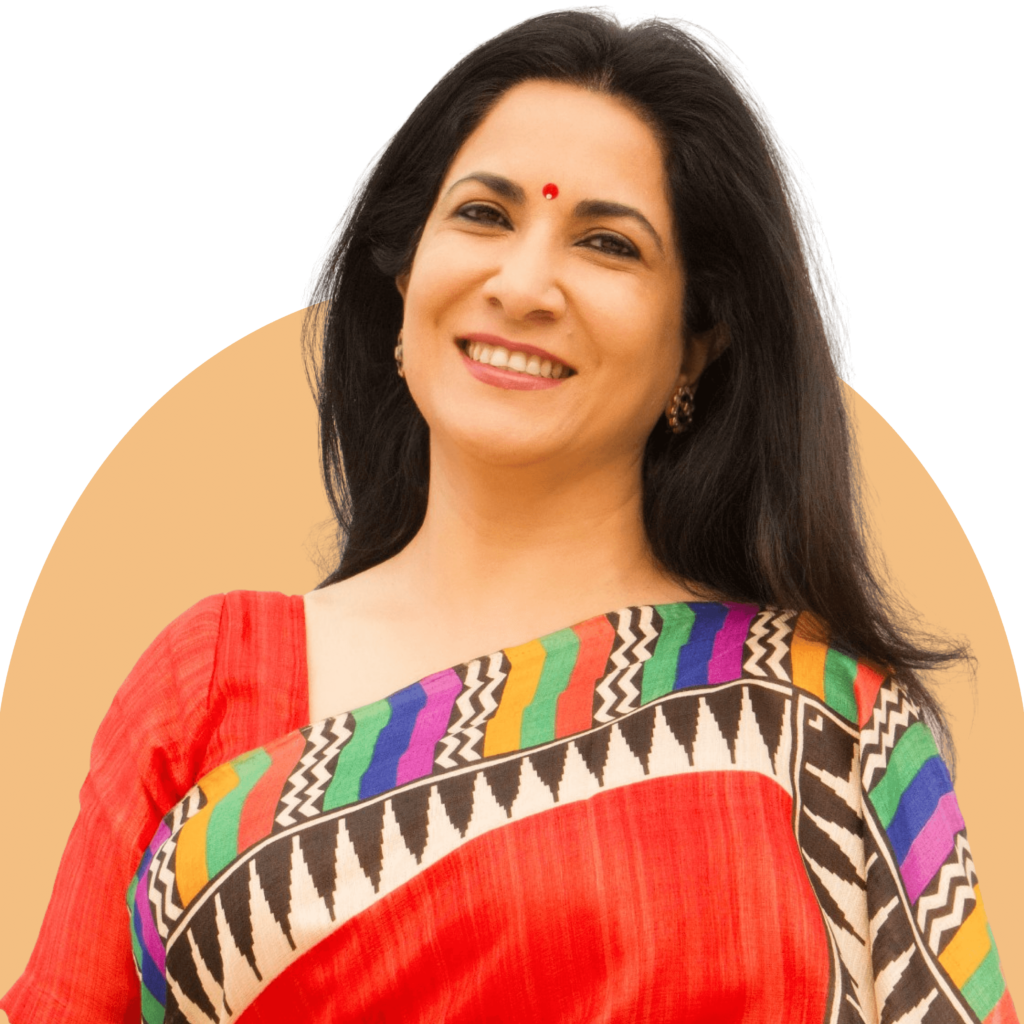
About the author
Dr. Prerna Kohli
Dr. Prerna Kohli is a clinical psychologist with over 30 years of practice, based in Gurugram. She holds a PhD from Aligarh Muslim University, where she was a four-time gold medallist, and received the "100 Women Achievers of India" award from the President of India in 2016. A TEDx speaker and published author, she works with individuals, couples, and families through her private practice — in clinic in Gurugram and online worldwide — with a particular speciality in NRI mental health.