
There's a particular lift in the air on Republic Day — the flags, the shared celebration, the feeling of being part of something larger than yourself. That feeling isn't just sentiment; it's psychology at work. Human beings have a deep, fundamental need to belong, and a secure sense of belonging is one of the strongest protectors of our mental health — buffering against loneliness, anxiety and low mood. National celebrations like Republic Day nourish that need through shared identity, ritual and connection to our roots, giving us an emotional anchor. The healthiest form of this pride is the kind that loves one's country while still wishing to better it. And the deeper lesson holds all year round: nurture your sense of belonging — to your country, your community, your people — wherever you find it.
As 26th January approaches, something shifts in the national mood. Tricolours appear on balconies and lapels, familiar patriotic songs play, and there's a shared sense of celebration that's hard to miss. We often think of Republic Day in terms of history and ceremony — and rightly so. But there's also a quieter, psychological story here: the joy so many of us feel on this day points to one of the deepest truths about human beings, and one that matters greatly for our mental health.
We are wired to belong
Among the most well-established findings in psychology is that the need to belong is a fundamental human motivation — as basic, in its way, as our need for safety and shelter. In their landmark work, psychologists Roy Baumeister and Mark Leary showed that people everywhere are driven to form and maintain stable, meaningful bonds, and that when this need goes unmet, it takes a real toll on our health, adjustment and wellbeing (Baumeister & Leary, Psychological Bulletin, 1995). To feel that we are part of something — a family, a community, a nation — is not a luxury. It is a basic psychological need, and meeting it is protective for the mind.
How shared celebration nourishes the mind
A sense of belonging and identity
Standing among others who share your history and values, celebrating together, affirms that you belong to something larger than yourself. That shared identity is steadying — it answers, quietly, the human question of "where do I fit?"
An emotional anchor
A sense of connection to one's nation and roots provides what the original spirit of this day captures well: an anchor. In a fast-changing, often uncertain world, that feeling of rootedness offers stability and a reassuring sense of continuity.
The lift of collective joy
Shared celebration and ritual generate a genuine sense of euphoria and wellbeing — the warmth of collective emotion, of joy multiplied by being felt together. These moments of shared positive feeling are good for us, and good for our bonds with one another.
Connection to something meaningful
Feeling part of a larger national story — its struggles, its hopes, its progress — lends a sense of meaning and purpose. And meaning, like belonging, is one of the quiet pillars of a flourishing, contented life.
For those living far from home: this sense of rootedness can matter most of all when you're away from it. For Indians settled abroad, marking Republic Day — hoisting a flag, gathering with other Indian families, sharing the food and music of home — can be a powerful, grounding reconnection to one's roots and culture. It's a way of keeping belonging alive across an ocean, and of passing it on to children growing up far from the land their family came from.
The healthy kind of pride
It's worth naming what a psychologically healthy love of one's country looks like. It isn't blind — it doesn't require pretending a nation has no flaws or room to grow. The mature, wholesome version, as the spirit of this day suggests, is to love one's country and to wish to better it — to take pride in its achievements while honestly striving to mend its imperfections. Pride held this way, with both affection and clear eyes, sits comfortably alongside good mental health; it connects us to others without closing us off, and gives us something to contribute to rather than merely cheer for.
It's worth gently acknowledging that national days aren't joyful for everyone. For those who feel isolated, far from loved ones, or out of step with the celebration, a day centred on togetherness can quietly deepen a sense of loneliness. If that's you, please be kind to yourself — and remember that the real lesson of a day like this is the value of belonging itself, which you can nurture anywhere: in family, friendship, community, faith, or shared interests. If loneliness or low mood runs deep and persistent, it's worth reaching out for support — connection is something that can be rebuilt, and you don't have to do it alone.
Key takeaways
- The joy many feel on Republic Day reflects a deep psychological truth: humans have a fundamental need to belong.
- A secure sense of belonging is strongly protective for mental health, buffering against loneliness, anxiety and low mood.
- Shared celebration nourishes us through identity, ritual, an emotional anchor, and connection to something meaningful.
- For Indians abroad, marking the day can be a grounding reconnection to roots and culture.
- The healthiest pride loves one's country while still wishing to better it — and belonging can be nurtured anywhere, all year round.
Frequently asked questions
How does a sense of belonging affect mental health?
Belonging is one of the most important protective factors for mental wellbeing. Decades of research show the need to belong is a fundamental human motivation, and that a secure sense of connection buffers against loneliness, anxiety and depression, while its absence harms health and wellbeing. Feeling part of something — a family, community or nation — gives us stability, meaning and an emotional anchor, all of which support a healthier mind.
Why do national celebrations like Republic Day feel good?
Because they meet a deep human need. Shared celebration and ritual affirm that we belong to something larger than ourselves, generate the warmth of collective joy, and connect us to a meaningful shared story. That combination of identity, togetherness and meaning is genuinely nourishing for the mind — which is why such days often bring a real lift in mood and a sense of connection.
Is it normal to feel lonely on a national holiday?
Yes, and it's more common than people admit. Days built around togetherness can sharpen the feeling of being alone for those who are isolated, far from loved ones, or out of step with the mood. If that's you, be gentle with yourself, and remember that belonging can be nurtured in many ways beyond a single occasion — through family, friendship, community or shared interests. If loneliness feels deep or persistent, reaching out for support genuinely helps.
What is a psychologically healthy form of patriotism?
The healthiest form is pride that loves one's country while still wishing to better it — affection held with clear eyes, rather than a refusal to see any flaws. This kind of belonging connects us to others and gives us something meaningful to contribute to, without closing us off from honest reflection. It sits comfortably alongside good mental health, whereas pride that demands we ignore problems tends not to.
If loneliness or a sense of disconnection is weighing on you, belonging can be rebuilt — and you don't have to do it alone. Dr. Prerna Kohli can help, in person in Gurugram and online across India and for NRIs worldwide.
Book a Session WhatsApp Us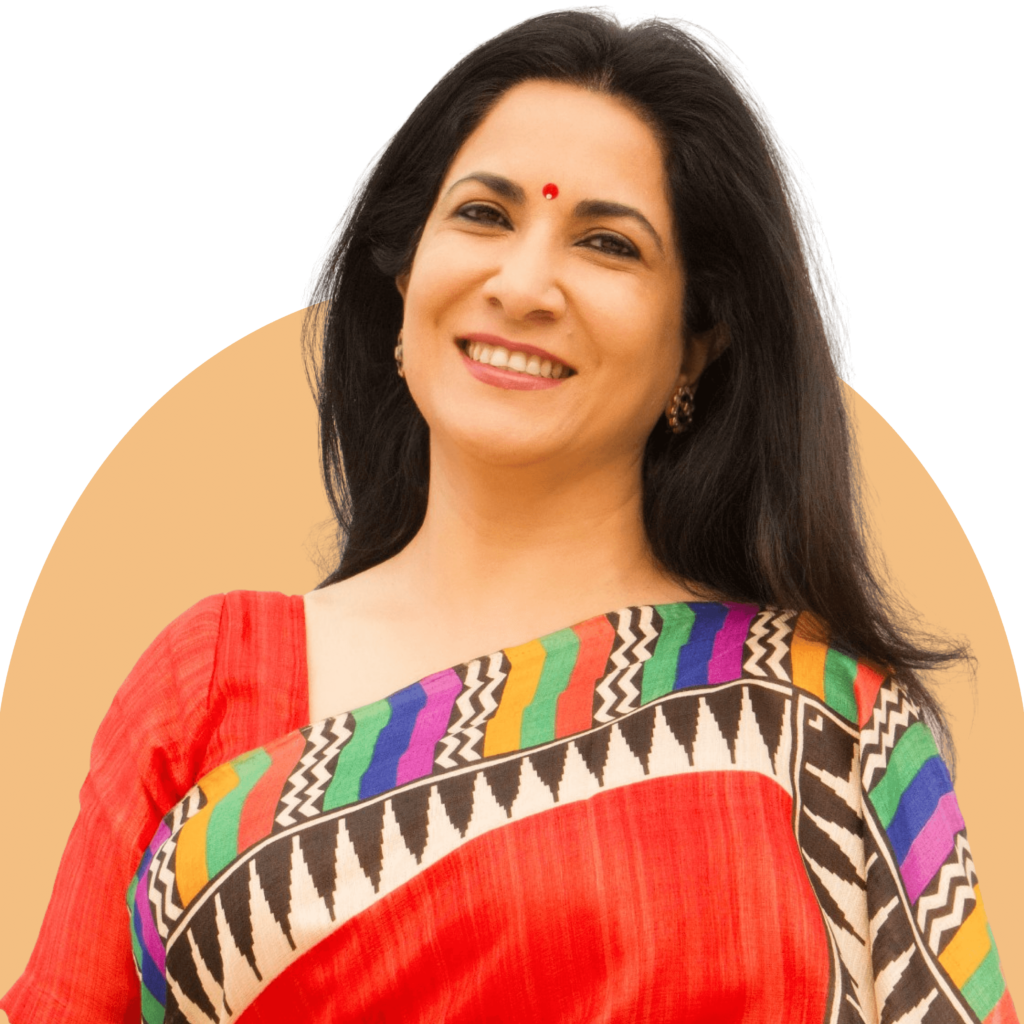
About the author
Dr. Prerna Kohli
Dr. Prerna Kohli is a clinical psychologist with over 30 years of practice, based in Gurugram. She holds a PhD from Aligarh Muslim University, where she was a four-time gold medallist, and received the "100 Women Achievers of India" award from the President of India in 2016. A TEDx speaker and published author, she works with individuals, couples, and families through her private practice — in clinic in Gurugram and online worldwide — with a particular speciality in NRI mental health.