
Empathy vs Sympathy: What’s the Difference?
Quick answer The simplest way to tell them apart: sympathy is feeling for someone; empathy is feeling with them. Sympathy

Quick answer The simplest way to tell them apart: sympathy is feeling for someone; empathy is feeling with them. Sympathy

Quick answer Bullying is far from a harmless “part of growing up.” For a child who is bullied, the effects

Quick answer Music can be a genuinely good friend to your mental health. Listening to, playing, or singing music can
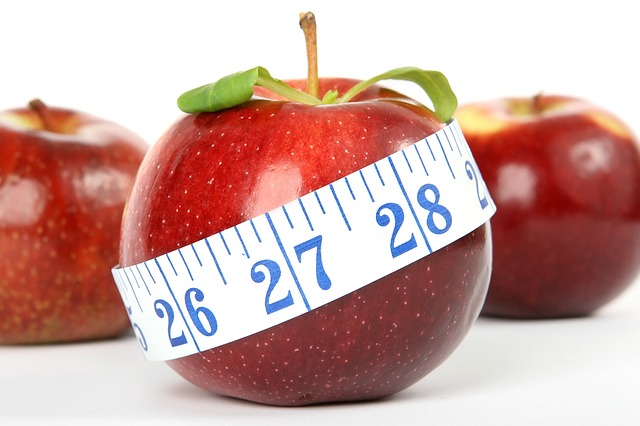
Quick answer Eating disorders are serious mental health conditions — not lifestyle choices, vanity or a lack of willpower —

Quick answer Procrastination isn’t laziness or poor time management — it’s mostly about emotion. We put off tasks that make
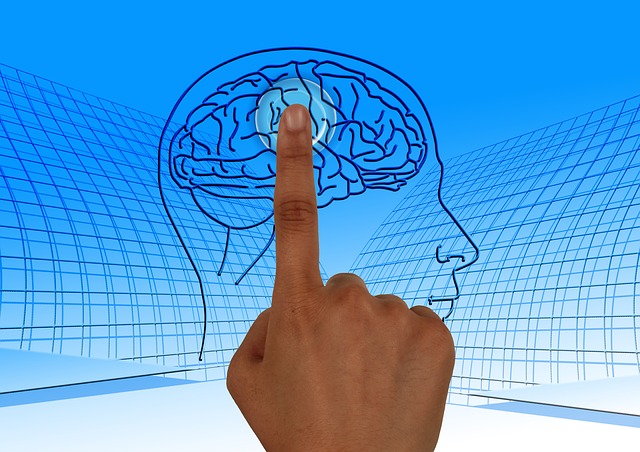
Quick answer You can keep your memory sharp at any age — the brain stays capable of forming new connections
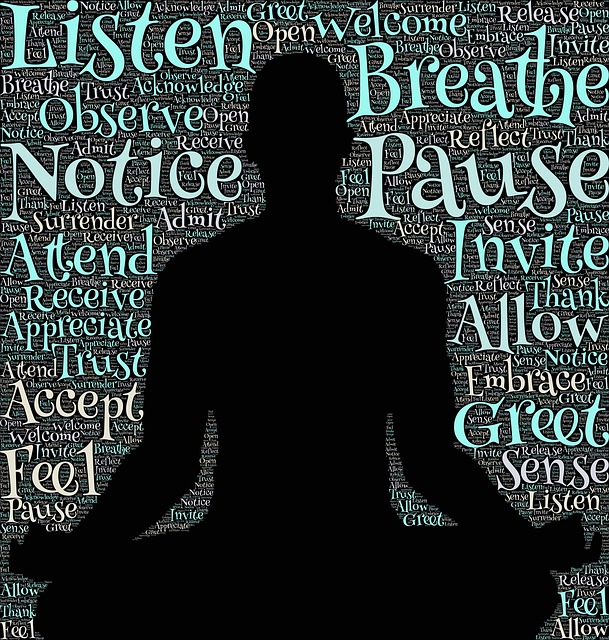
Quick answer Relaxation techniques aren’t just a pleasant way to unwind — they’re practical, evidence-based tools for calming the body’s

Quick answer Bipolar disorder is a mental health condition marked by significant shifts in mood, energy and activity — between
Quick answer A panic attack is a sudden surge of intense fear, with physical symptoms like a pounding heart, shortness

Quick answer A child’s emotional intelligence — their EQ, or emotional quotient — is their ability to recognise, understand, express